
Why Management Accounts Matter
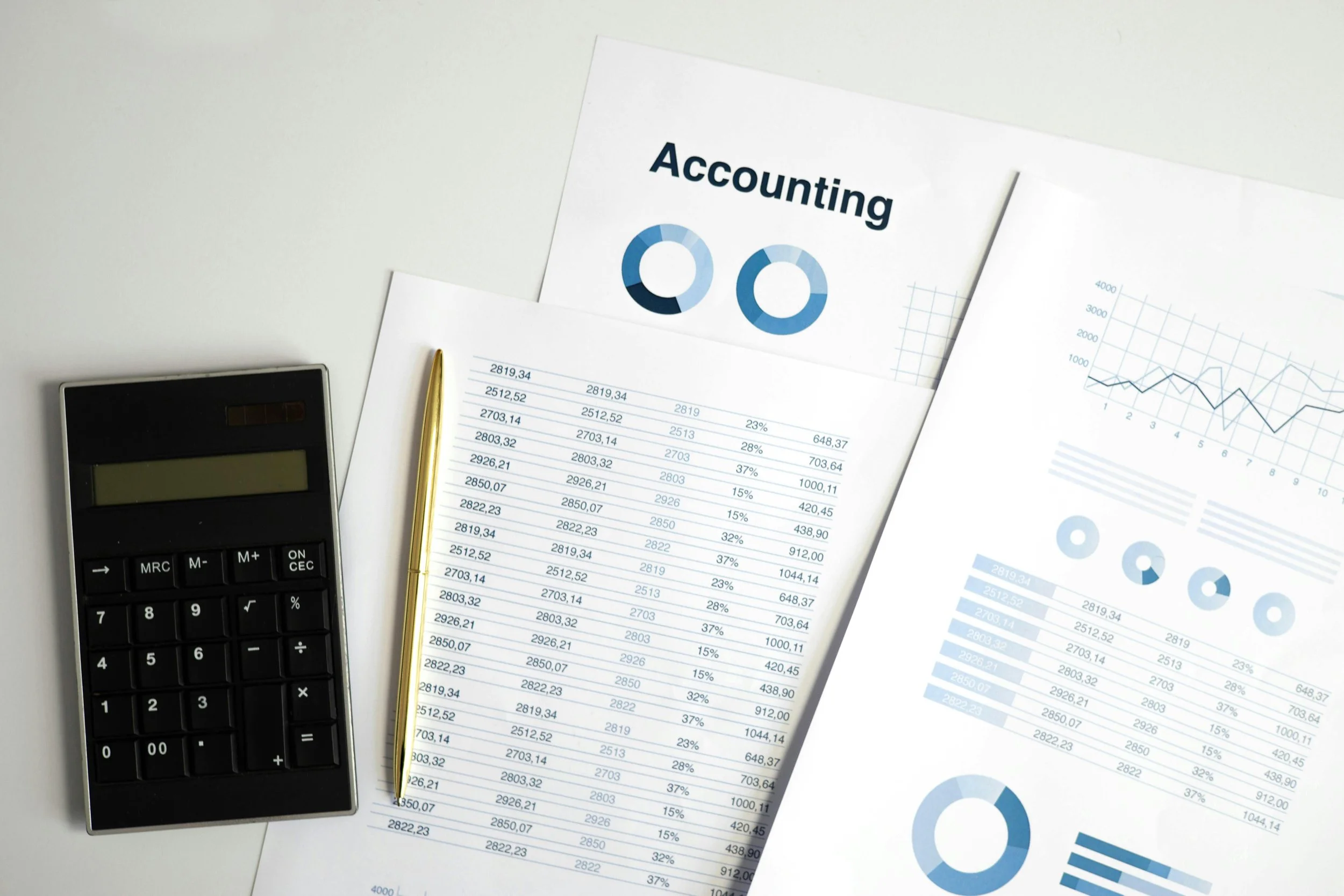
While statutory accounts are prepared annually for regulatory and tax purposes, management accounts provide businesses with regular financial insights throughout the year. These reports allow business owners and directors to monitor performance, track profitability, and make informed strategic decisions.
Management accounts typically include a profit and loss statement, balance sheet, and cash flow analysis prepared on a monthly or quarterly basis. Unlike statutory accounts, which are historical documents, management accounts provide near real-time financial information.
One of the main advantages of management accounts is that they help businesses identify trends early. For example, if operating costs begin to increase unexpectedly, management accounts can highlight the issue before it becomes a major financial problem.
Another key benefit is improved budgeting and forecasting. By comparing actual financial results with projected figures, businesses can evaluate whether they are meeting performance targets and adjust their strategies accordingly.
Management accounts also support effective cash flow management. Monitoring receivables, payables, and operating expenses helps businesses maintain sufficient liquidity to meet financial obligations such as payroll, tax payments, and supplier invoices.
For growing companies, management accounts often include key performance indicators (KPIs) tailored to the specific industry. These metrics may include gross profit margins, operating margins, or customer acquisition costs.
Regular financial reporting also improves communication between business owners and their advisers. Accountants can analyse management accounts to identify opportunities for tax planning, cost reduction, or operational improvements.
In many cases, businesses that review management accounts monthly are better positioned to grow sustainably because they can respond quickly to financial challenges and opportunities.